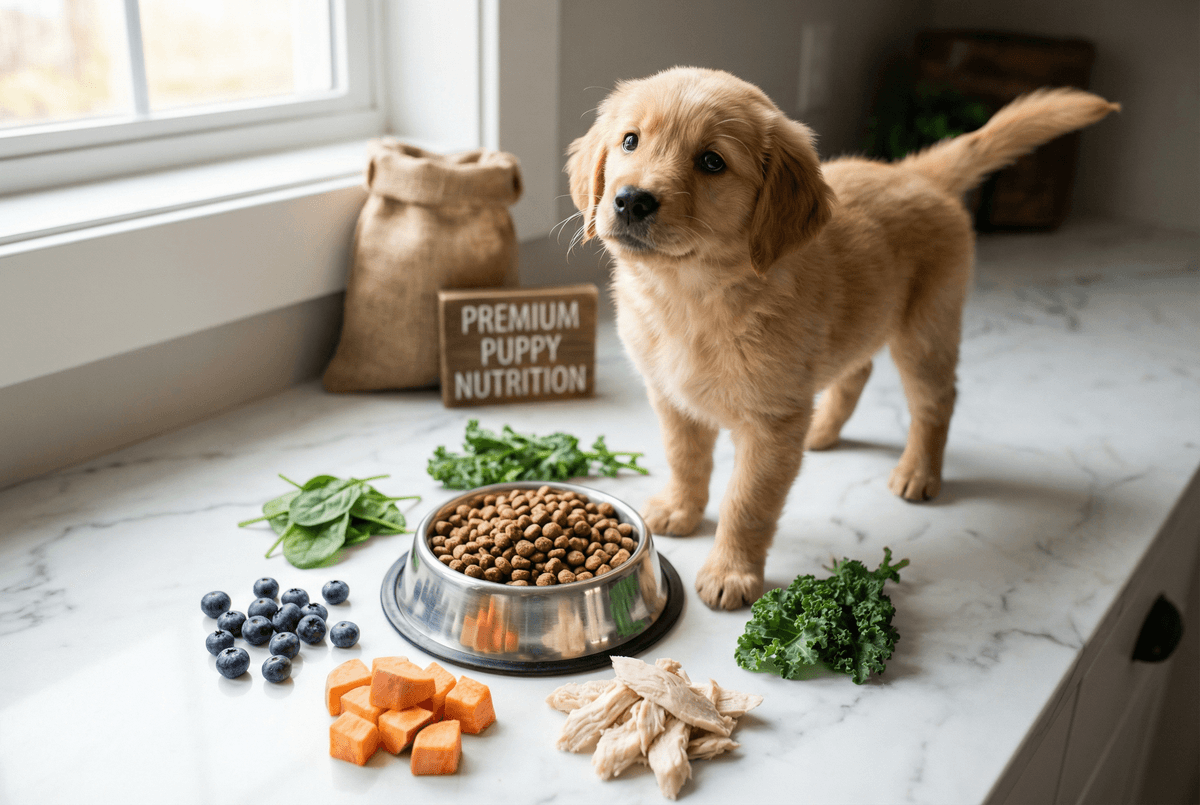
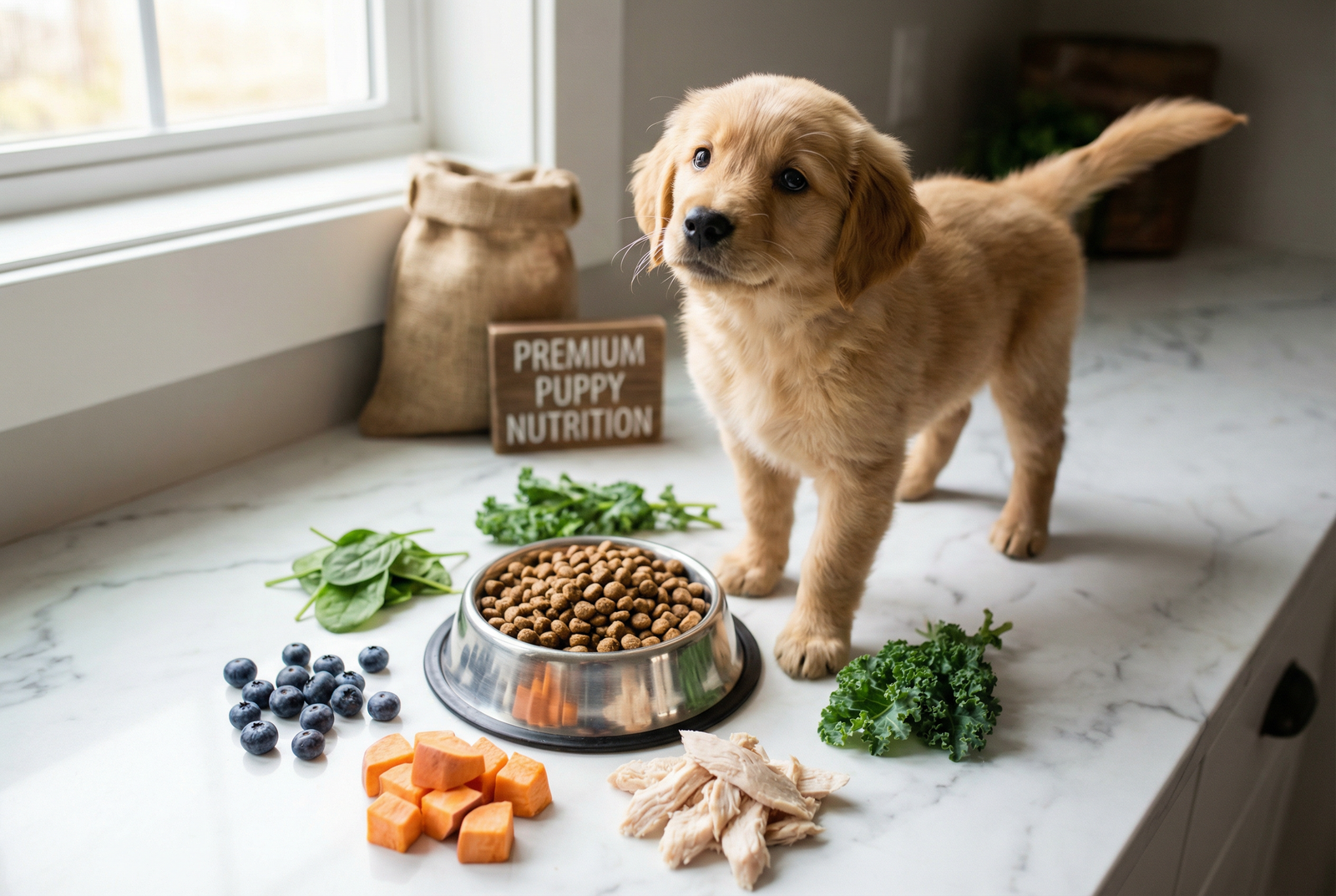
Bringing home a new puppy is one of life's greatest joys, but it also comes with a tremendous responsibility: ensuring they receive the nutrition they need during the most critical growth period of their life. The first 12 months set the foundation for your puppy's long-term health, bone density, immune function, and cognitive development.
Why Puppy Nutrition Is Different from Adult Dog Nutrition
Puppies are not simply small adult dogs. Their bodies are growing at an extraordinary rate — some large breed puppies gain 2 to 5 pounds per week during peak growth phases. This rapid development demands a carefully calibrated balance of protein, fat, calcium, phosphorus, and essential fatty acids that adult maintenance formulas simply cannot provide.
Puppy-specific formulas are designed to meet the AAFCO nutrient profiles for growth, which require higher minimums for protein (22.5% vs. 18% for adults), fat (8.5% vs. 5.5%), and carefully controlled calcium-to-phosphorus ratios. Feeding an adult formula to a growing puppy can lead to nutritional deficiencies, while over-supplementing — particularly with calcium in large breeds — can cause skeletal abnormalities.
Choosing the Right Puppy Food
The single most important factor when selecting a puppy food is that it meets AAFCO standards for "growth" or "all life stages." Beyond that baseline, look for these quality markers:
- Named animal protein as the first ingredient — real chicken, turkey, beef, or salmon, not generic "meat meal" or "animal by-products"
- DHA (docosahexaenoic acid) — an omega-3 fatty acid critical for brain and eye development, typically sourced from fish oil or fish meal
- Appropriate calcium levels — 1.0% to 1.5% for small breeds, 0.8% to 1.2% for large breeds to prevent developmental orthopedic disease
- No artificial colors, flavors, or preservatives — these add nothing nutritionally and may cause sensitivities
- Probiotics or prebiotic fiber — supports the developing gut microbiome during a period of frequent dietary transitions
Feeding Schedule by Age
How often you feed your puppy matters just as much as what you feed them. Young puppies have small stomachs and high metabolic rates, requiring frequent meals to maintain stable blood sugar and sustained energy.
8 to 12 Weeks
Feed four meals per day, evenly spaced. This is the transition period from the breeder's food to your chosen formula. Mix 75% old food with 25% new food for the first 3 days, then gradually shift the ratio over 7 to 10 days to avoid gastrointestinal upset.
3 to 6 Months
Reduce to three meals per day. This is the peak growth phase for most breeds. Monitor body condition weekly — you should be able to feel (but not prominently see) your puppy's ribs. Adjust portion sizes based on the feeding guidelines on your chosen food, but treat those as starting points, not absolutes.
6 to 12 Months
Transition to two meals per day. Small breeds may be approaching their adult weight by 9 to 10 months, while large and giant breeds continue growing until 18 to 24 months. Consult your veterinarian about when to transition from puppy food to an adult formula — switching too early can deprive a still-growing dog of essential nutrients.
Large Breed vs. Small Breed Considerations
Large breed puppies (expected adult weight over 50 pounds) face unique nutritional challenges. Growing too fast can cause developmental orthopedic diseases like hip dysplasia, osteochondritis dissecans (OCD), and hypertrophic osteodystrophy (HOD). Large breed puppy formulas are specifically designed with controlled calorie density and precise calcium-to-phosphorus ratios to promote steady, healthy growth rather than rapid weight gain.
Small breed puppies, conversely, have faster metabolisms and are more prone to hypoglycemia. They benefit from calorie-dense formulas with smaller kibble sizes that are easier for tiny mouths to manage.
Treats, Supplements, and What to Avoid
Treats should make up no more than 10% of your puppy's daily caloric intake. Choose single-ingredient treats like freeze-dried liver or small pieces of cooked chicken breast. Avoid rawhide (choking hazard), cooked bones (splintering risk), and any treats containing xylitol, grapes, raisins, onions, garlic, or chocolate — all of which are toxic to dogs.
In most cases, a complete and balanced puppy food provides all the vitamins and minerals your puppy needs. Supplementing without veterinary guidance — particularly with calcium, vitamin D, or joint supplements — can do more harm than good. If you suspect a deficiency, consult your veterinarian for bloodwork before adding any supplements.
Hydration Matters
Fresh, clean water should be available at all times. Puppies are more susceptible to dehydration than adult dogs due to their higher metabolic rate and smaller body mass. Monitor water intake — a general guideline is approximately one ounce of water per pound of body weight per day, though active puppies and those eating dry kibble may need more.
When to Consult Your Veterinarian
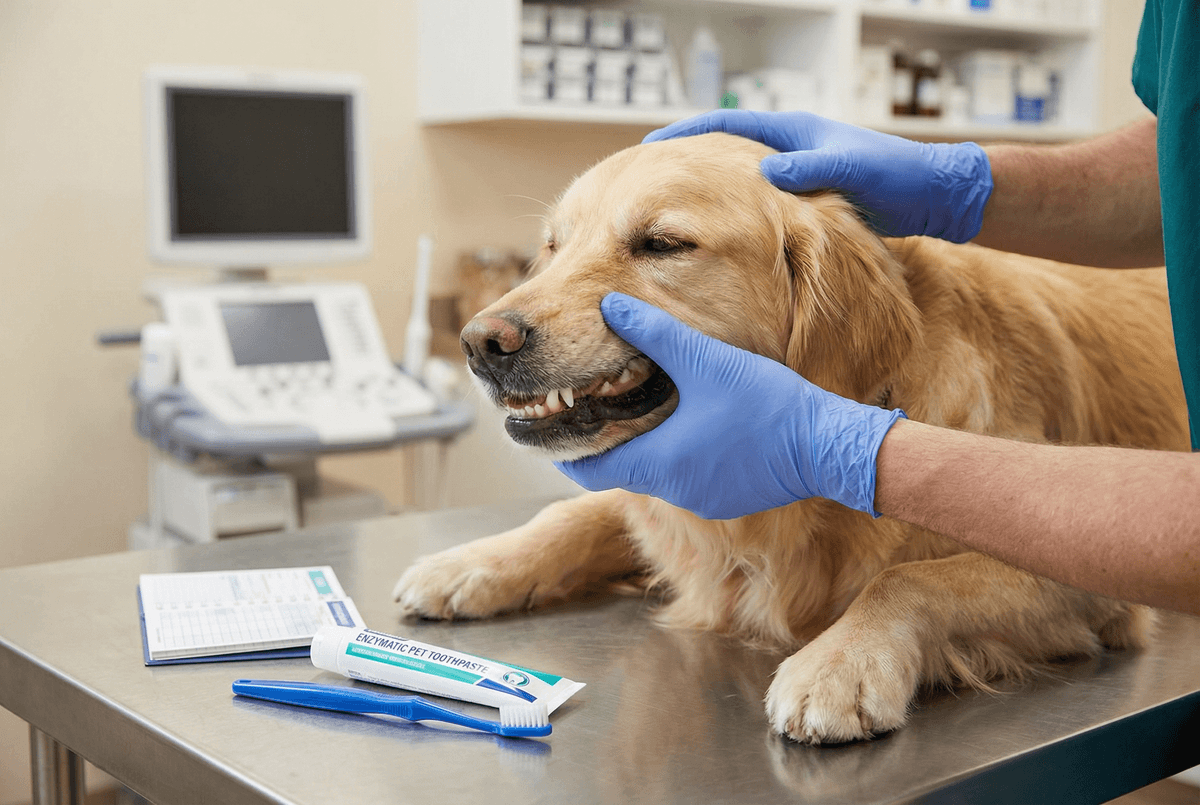
Schedule a nutrition consultation with your veterinarian at your puppy's first wellness visit. Bring the food you're currently feeding so they can evaluate the formula. Red flags that warrant an immediate vet visit include persistent diarrhea or vomiting, refusal to eat for more than 24 hours, visible ribs or rapid unexplained weight loss, a distended or hard belly after eating, and lethargy or weakness.
Your veterinarian is your most valuable partner in your puppy's nutritional journey. Together, you can create a feeding plan tailored to your puppy's breed, size, activity level, and individual health needs.